Betfred Shop Closures Follow Tax Increases Outlined in Recent UK Budget
Written by Frankie Russell · Aug 6, 2026

Betfred Shop Closures Follow Tax Increases Outlined in Recent UK Budget
The Betting & Gaming Council released a statement that ties recent Betfred betting shop closures directly to tax increases from the previous UK Budget, and the organization points out how these developments affect employment numbers along with investment levels in local high streets. Observers note that the closures reduce support for surrounding communities while also cutting contributions that help fund British horseracing, and the same statement warns that such changes shift activity toward unregulated black market operators who operate without oversight or tax obligations.Details from the BGC Statement
The council described the closures as immediate outcomes of the tax rises, and it connected those rises to reduced viability for physical betting locations that employ staff and pay local business rates. Data from the statement shows multiple Betfred sites affected, with the pattern repeating across regions where operating costs climbed after the budget measures took effect. Those who track industry trends see this as a continuation of earlier forecasts the BGC issued before the budget passed, forecasts that projected fewer shops and lower staffing levels once the new duties applied.
Funding streams that support horseracing face direct pressure because betting shops generate levy payments through their activities, and the BGC statement lists this reduction as one consequence alongside job losses in retail betting. High street investment slows when operators close locations rather than expand or refurbish them, and communities lose access points that previously served regular customers who prefer in-person transactions over online platforms.
Broader Effects on Regulated Operations
Black market betting sites gain ground when regulated shops close because customers who once used licensed premises may turn to unregulated alternatives that avoid tax entirely and offer fewer consumer protections. The BGC reiterated previous warnings that tax increases of this scale erode the competitive position of licensed operators, and the statement connects those increases to measurable declines in the number of open betting shops across the country. Figures shared in the announcement indicate that Betfred acted after reviewing post-budget margins, leading to decisions that closed locations where costs exceeded returns.
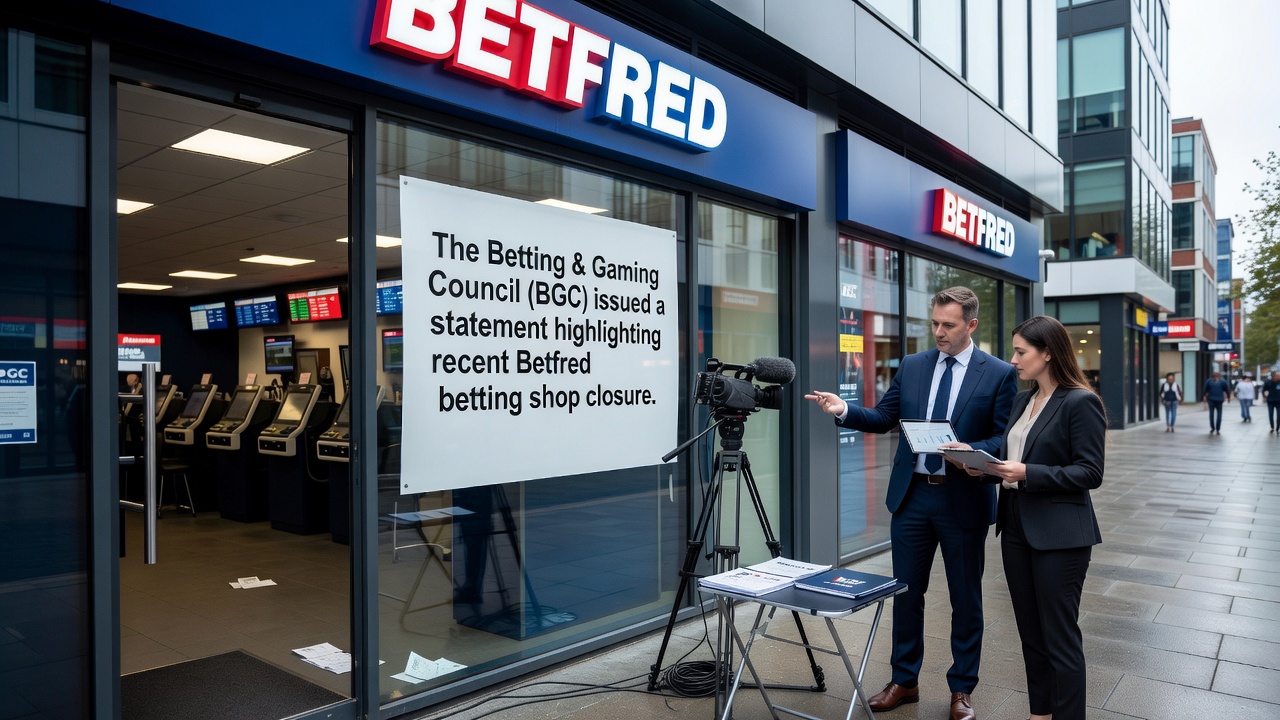
Industry records show the regulated sector has already absorbed earlier duty adjustments, yet the most recent budget changes accelerated the pace of closures beyond prior expectations. The council's release emphasizes that physical betting outlets contribute to local economies through wages and rates, and those contributions shrink when sites shut down. Horseracing receives a portion of its funding from shop-based betting activity, so any drop in that activity reduces the pool available for prize money and facility maintenance across racecourses.
Context Around August 2026 Developments
By August 2026 teh pattern of closures linked to the budget tax rises continues to unfold, and the BGC statement serves as an update that tracks ongoing impacts on employment and community presence. Operators evaluate remaining locations against the same tax framework, and some sites that survived initial rounds now face similar margin pressures. The statement notes that these outcomes align with modeling the council presented earlier, modeling that projected reduced high street footprints once the duty increases took full effect.
Regulated businesses maintain compliance with licensing rules and responsible gambling standards, whereas black market platforms operate outside those requirements and retain pricing advantages that draw some customers away from taxed options. The BGC statement lists this shift as a measurable risk that grows each time a licensed shop closes, and it connects the trend to the cumulative weight of successive tax adjustments rather than to any single factor.
Industry Response and Ongoing Monitoring
Trade groups continue to track closure rates and employment data following the budget changes, and the BGC statement adds fresh examples from Betfred to an existing record of reduced shop numbers. People who follow these developments observe that investment decisions now favor locations with stronger footfall or lower overhead, while marginal sites close once tax liabilities exceed revenue projections. The council calls for reconsideration of the tax structure because repeated increases have produced the outcomes its earlier warnings described.
Local communities experience the effects through fewer open premises that once provided gathering points and employment opportunities, and the statement ties those losses to the broader reduction in high street betting infrastructure. Horseracing stakeholders receive less funding from the affected shops, which reduces the resources available for events and breeding programs that rely on that revenue stream.
Conclusion
The BGC statement presents the Betfred closures as concrete results of the tax increases from the previous budget, and it outlines the connected effects on jobs, high street activity, community support, and horseracing funding while noting the corresponding advantage for unregulated operators. Observers record these developments as part of the ongoing response within the regulated betting sector, and the council maintains that its prior assessments anticipated the current pattern of shop reductions and revenue shifts. The statement stands as the latest record of how the tax changes translate into operational decisions across licensed betting locations.