Britain's Betting Evolution: Digital Shifts and Regulatory Moves Redefine the Landscape
Written by Frankie Carter · Jun 20, 2026

UK Gambling White Paper Triggers Higher Affordability Check Rates Than Projected
The rollout of financial risk assessments under the UK Gambling Commission's Gambling White Paper reforms has produced player trigger rates that reached 7 percent, a figure that exceeds the regulator's initial projection of 3 percent, and observers note this outcome has emerged as thresholds prepare to drop further with potential reach to 20 percent of online customers. Data collected during the early implementation phase shows these checks operating across licensed operators, where the higher activation level reflects real-world application of the affordability framework introduced to strengthen consumer protections.
Implementation Details and Trigger Projections
Operators began applying the checks as part of the broader reforms outlined in the White Paper, and the actual 7 percent trigger rate stands in contrast to modelling that anticipated lower volumes at the outset. Thresholds are scheduled to tighten in subsequent stages, which could extend the process to a larger segment of the player base, and this progression aligns with the Commission's phased approach to integrating financial risk evaluations into routine compliance procedures. Figures reveal that the assessments focus on identifying patterns that may indicate financial strain, while operators track outcomes to maintain alignment with regulatory expectations.
Those monitoring the sector report that the gap between projected and observed rates has prompted adjustments in operational protocols, and compliant firms have incorporated the checks into existing responsible gambling systems without disrupting standard account management flows. The process involves automated flags followed by manual review in many cases, creating a structured pathway that licensed platforms use to verify customer circumstances before continuing play.
Operator Responses and Industry Positioning
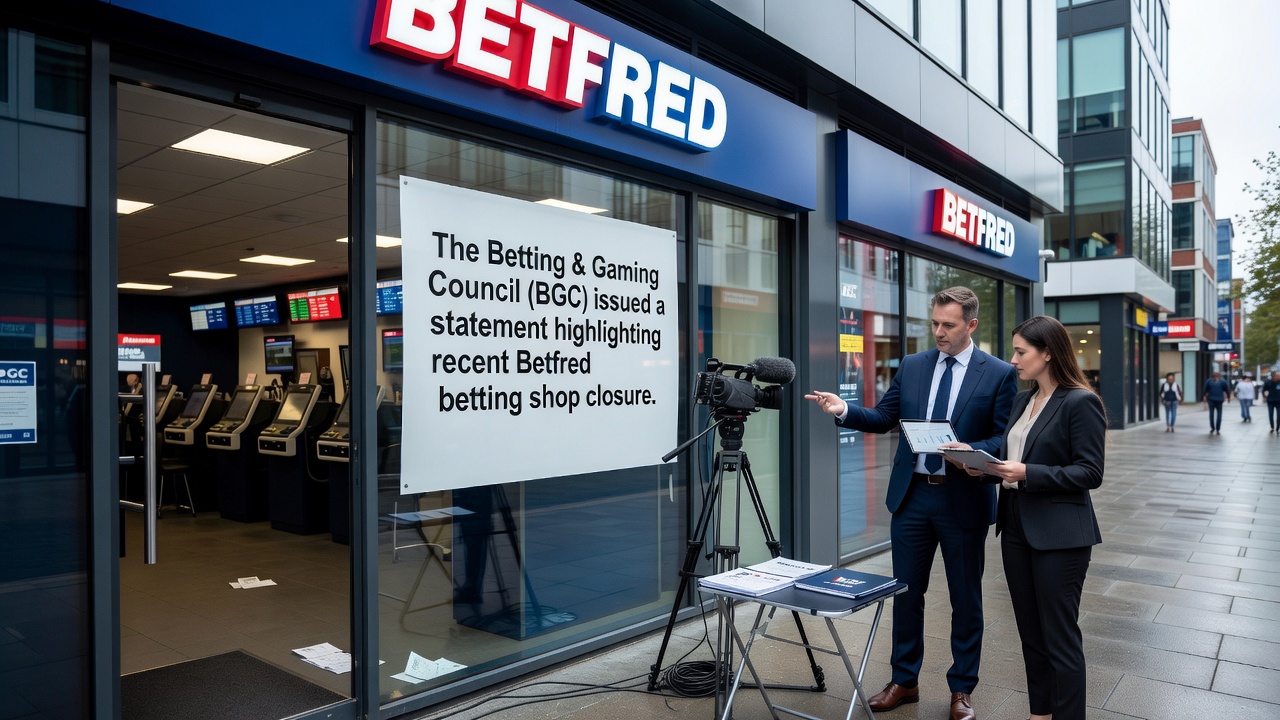
Compliant operators have leveraged the assessments to demonstrate operational maturity, building documented records of customer interactions that support claims of responsible market conduct. This approach allows firms to present evidence of proactive measures during regulatory reviews, and data indicates several major platforms have reported smoother audit processes as a direct result of consistent application. The strategy contrasts with concerns raised by the Betting and Gaming Council, which has highlighted the possibility that stricter checks could redirect some players toward unregulated platforms operating outside the UK licensing regime.
What's interesting is how the higher trigger volume has influenced internal training programs at several firms, where staff now receive additional guidance on handling affordability discussions. Reports from June 2026 show these programs expanding as thresholds continue their scheduled decline, and operators document each step to maintain transparency with the Commission. The BGC has pointed to this dynamic as a factor that could affect the balance between regulated and unregulated activity, noting that customer migration patterns require ongoing observation.
Customer Impact and Threshold Adjustments
Current thresholds have already activated checks for 7 percent of online accounts, while planned reductions aim to capture additional segments that could reach 20 percent overall. The Commission has maintained that the framework remains flexible enough to accommodate operator-specific data, and firms submit regular reports detailing trigger volumes alongside outcomes. This reporting cycle provides the regulator with visibility into how the checks perform across different customer demographics and betting patterns.
Those tracking the rollout note that the 7 percent figure emerged from aggregated operator submissions rather than isolated case studies, and this aggregate view supports the Commission's decision to proceed with further threshold reductions. The process does not impose immediate account restrictions in every flagged case, because operators often complete additional verification steps before determining next actions. Such steps include requests for income or expenditure information, which customers provide voluntarily in many instances.
Regulatory Context and Ongoing Monitoring
The White Paper reforms positioned affordability checks as one component within a wider set of consumer protection measures, and the observed trigger rates have informed subsequent guidance issued by the Commission. Operators continue to refine their systems in response to the data, while the BGC continues to flag the risk that excessive friction could shift activity outside licensed channels. Both perspectives draw from the same underlying statistics yet emphasize different implications for the regulated market's future shape.
Evidence collected through mid-2026 shows consistent application across the licensed sector, and the Commission has used these results to calibrate expectations for the next phase of implementation. The assessments integrate with existing age verification and deposit limit tools, creating layered safeguards that operators manage through centralized compliance dashboards. This integration allows real-time tracking of how many accounts move through each stage of the review process.
Conclusion
The gap between projected and actual trigger rates has established a new baseline for evaluating the effectiveness of financial risk assessments under the current reforms, and operators along with the regulator continue to gather data as thresholds move lower. The Betting and Gaming Council maintains its focus on potential market displacement, while compliant platforms use the checks to strengthen their compliance profiles. Ongoing reporting cycles will determine how these elements interact as the framework matures through the remainder of 2026 and beyond.