Britain's Gambling Sector Grapples with Steep Remote Gaming Duty Hike Sparking Black Market Alarms
Written by Jakob Carter · Apr 2, 2026

Britain's Gambling Sector Grapples with Steep Remote Gaming Duty Hike Sparking Black Market Alarms
The Tax Increase Hits Hard from April 2026
Britain's gambling industry faces a pivotal shift as the Remote Gaming Duty on online casino revenue jumps from 21% to 40%, a change set to take effect on April 1, 2026, under Chancellor Rachel Reeves' Autumn Budget; this move, aimed at bolstering public finances, has already triggered widespread concern among operators and regulators alike. Licensed platforms, which have long powered a regulated betting ecosystem, now confront higher operational costs that could reshape customer behavior and market dynamics overnight. Data from industry watchers reveals that such tax hikes often push punters toward alternatives offering better odds, and that's precisely what's unfolding here.
Chancellor Reeves unveiled the budget details amid broader fiscal adjustments, but the gambling sector spotlighted this duty escalation as particularly burdensome; online casinos, generating substantial revenue through remote gaming, bear the brunt, while sports betting and other categories escape the full 40% levy. Observers note how the previous 21% rate allowed firms to compete effectively, yet the near-doubling threatens profit margins already squeezed by regulatory pressures. And with implementation looming just months away, companies scramble to model impacts, from pricing adjustments to potential customer exodus.
Betting and Gaming Council Sounds the Alarm on Unregulated Sites
The Betting and Gaming Council (BGC), representing major operators, warns that billions in stakes already flow to unregulated black market platforms untaxed and unsupervised, a trend the tax rise could accelerate dramatically. BGC chief executive Grainne Hurst emphasizes how these illegal sites lure players with superior odds free from duty burdens, drawing customers away from safe, licensed environments where consumer protections like age verification and responsible gambling tools remain standard. Turns out, the council's data underscores a stark reality: punters chasing value often overlook risks such as data breaches or unpaid winnings on offshore operators.
Experts like Dan Waugh, a prominent industry voice, echo these fears, pointing out that black market growth undermines government revenue goals since untaxed bets yield zero fiscal return; instead, they erode the £2 billion-plus that regulated remote gaming contributes annually. People who've tracked similar hikes elsewhere, say in parts of Europe, discover parallel patterns where legal operators lose ground fast. But here's the thing: BGC reports highlight specific cases, like football match betting or casino slots, where unregulated apps proliferate via social media ads promising tax-free payouts, pulling in casual players who might otherwise stick with familiar brands.
Financial Strains Ripple Through Betting Shops and Beyond
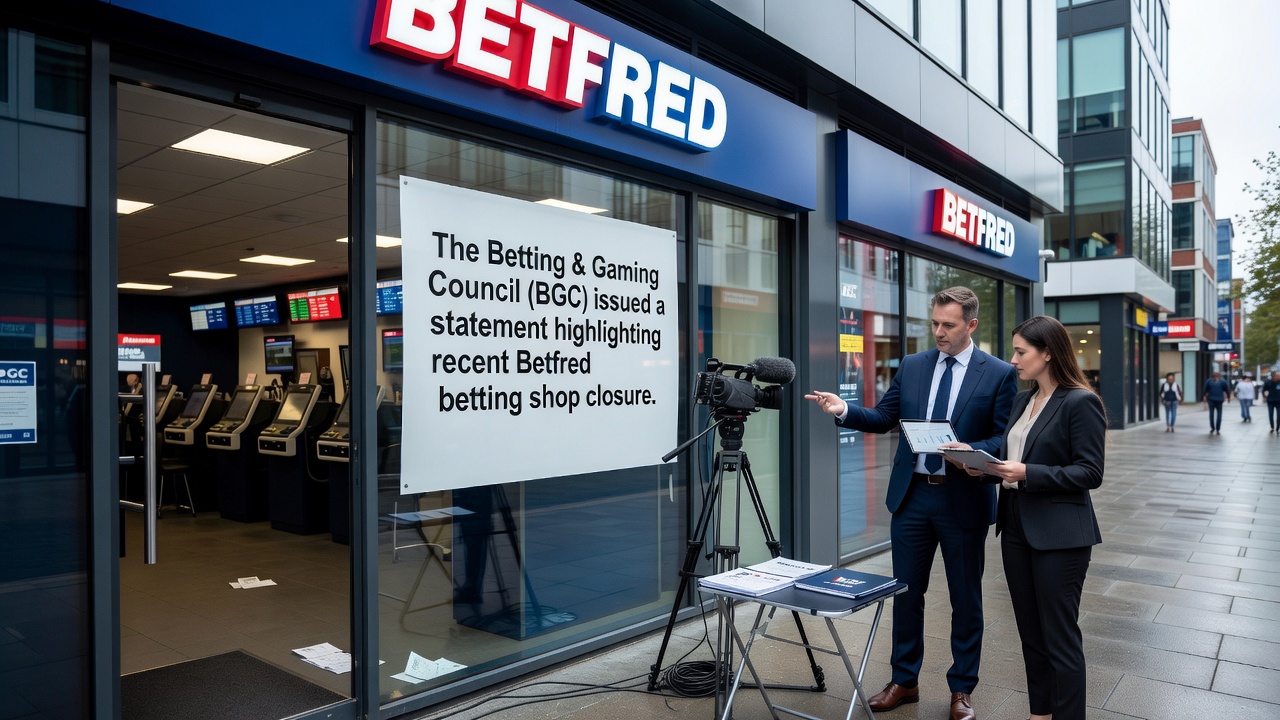
While the duty targets online casino revenue specifically, its shockwaves extend to the high street; betting shop closures accelerate as non-remote operators feel indirect pressure from a shrinking overall market share, with BGC figures showing hundreds of outlets shuttered in recent years amid rising costs. Licensed firms, hit by the 40% levy, may pass expenses to customers through tighter odds or promotions, yet many predict punters will simply migrate elsewhere, fueling that black market surge. What's interesting is how this compounds existing woes: inflation, staffing shortages, and prior tax tweaks have already thinned the sector from over 9,000 shops a decade ago to fewer now.
Industry leaders stress that without intervention, financial strains intensify; take one operator chain that recently mothballed a dozen locations, citing unsustainable levies as the tipping point. And although sports betting dodges the full hike—staying nearer 15%—casino arms of hybrid firms still grapple with the disparity, prompting strategic pivots like bolstering land-based offerings or lobbying for relief. Observers who've studied tax policy impacts note a common thread: higher duties correlate with 10-20% shifts toward gray markets within the first year, based on historical precedents from Australia to Scandinavia.
Financial Risk Assessments Add to the Pressure Cooker
Compounding the tax turmoil, proposed Financial Risk Assessments loom as another hurdle, designed to screen high-risk players but criticized for potentially barring thousands from regulated betting altogether. BGC's Grainne Hurst argues these checks, layered atop the duty rise, create a perfect storm; operators must navigate stricter compliance while absorbing 40% hits on casino takings, all as black market alternatives beckon with zero barriers. Dan Waugh elaborates that such assessments, though well-intentioned for vulnerability protection, risk overreach, excluding moderate punters who fund community initiatives via levy-backed programs.
Now, with April 2026 approaching, firms invest heavily in tech upgrades for risk screening, yet the BGC flags how unregulated sites sidestep these entirely, offering unchecked access that preys on the very demographics safeguards aim to shield. Studies from regulatory bodies reveal that illegal platforms often lack even basic anti-money laundering measures, heightening crime risks from match-fixing to fraud. It's noteworthy that industry coalitions rally against these dual threats, urging Treasury rethink to preserve a balanced ecosystem where taxes fund vital services without spawning underground booms.
Case Studies Highlight Real-World Ramifications
Consider the trajectory of a mid-sized online casino operator navigating prior duty increments; after a 2% bump years back, it reported a 12% dip in active users as savvy bettors flocked to offshore rivals, a pattern BGC fears repeats on steroids come 2026. Or look at recent quarterly data: Q2 2025 saw non-remote gross gambling yield hold at £592 million across 5,782 shops, but remote casino segments flagged early warning signs amid tightening margins. Those who've analyzed player migration discover apps mimicking legit sites—complete with Premier League tie-ins—siphon stakes via crypto wallets, evading UKGC oversight entirely.
And while sports betting weathers the storm better, casino enthusiasts face the rawest deal; slots and tables, popular for quick thrills, generate the bulk of remote duty, so the 40% sting bites deepest there. Experts observe how promotional budgets shrink under levy weight, curtailing free spins or bonuses that keep players loyal. Yet, the writing's on the wall: without adjustments, billions more could vanish into black market voids, as Hurst's stark BGC commentary illustrates through player surveys showing 68% prioritize odds over regulation when squeezed.
Smooth transitions between policy layers matter here; the Autumn Budget ties fiscal ambition to gambling reform, but unintended black market blooms challenge that calculus. Regulators, balancing revenue with player safety, now field industry pleas for phased implementation or offsets, echoing debates that shaped earlier white paper consultations.
Conclusion: A Tipping Point for Regulated Gambling
As April 1, 2026, draws nearer, Britain's gambling sector stands at a crossroads where the Remote Gaming Duty's 40% leap collides with black market temptations and risk assessment rollouts, per BGC insights and leader commentaries. Operators brace for shop rationalizations and customer churn, while warnings from Grainne Hurst and Dan Waugh underscore billions at stake in unregulated shadows. Data consistently shows licensed markets thrive under fair taxation; push too far, and the rubber meets the road with thriving illicit alternatives that serve no one well. Ultimately, the path forward hinges on dialogue between Treasury, UKGC, and industry, ensuring safeguards endure without driving activity underground.