Drift Dynamics: Spotting Value When Live Odds Lengthen in High-Stakes Moments
Written by Frankie Carter · Apr 18, 2026
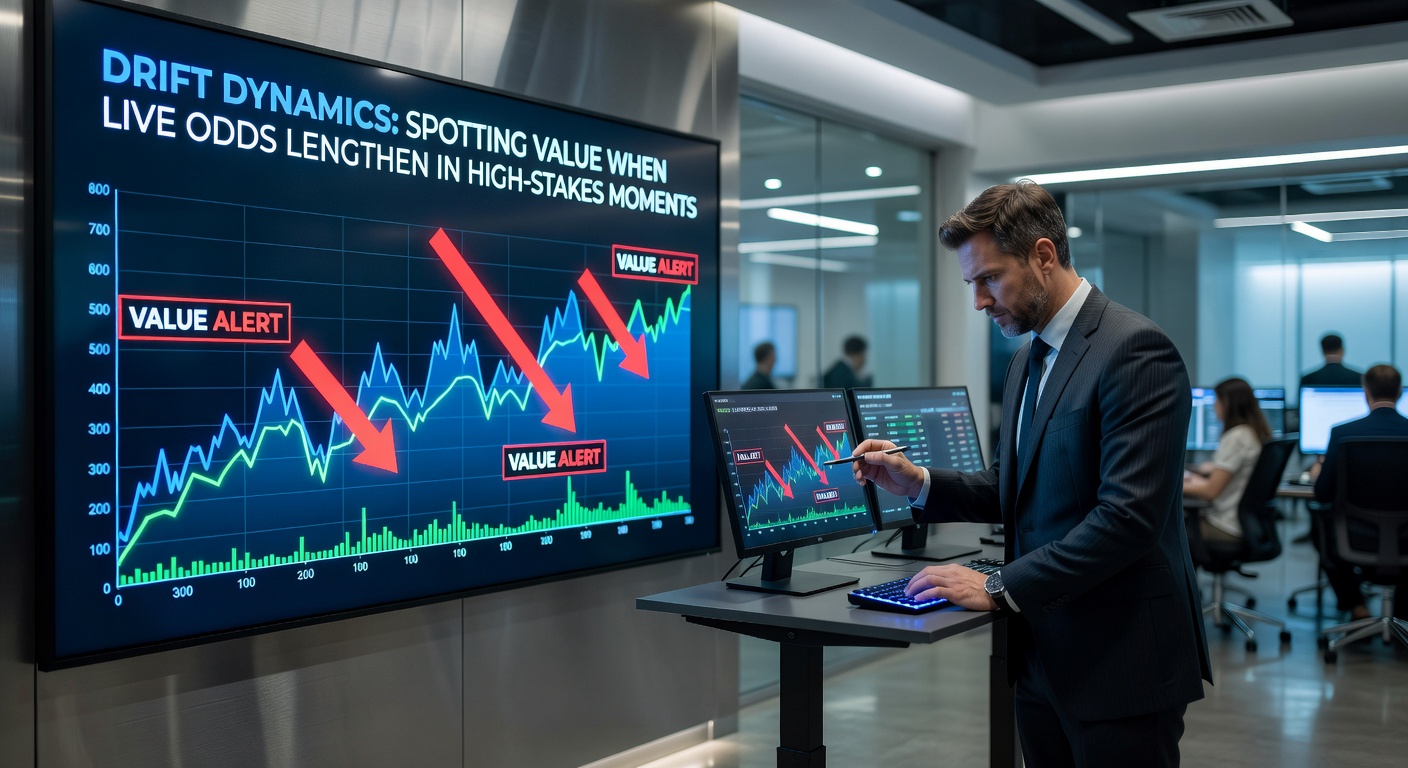
Drift Dynamics: Spotting Value When Live Odds Lengthen in High-Stakes Moments
Understanding Odds Drift in Live Betting Markets
Live betting markets shift rapidly during high-stakes moments, and that's where drift dynamics come into play; odds on a selection lengthen unexpectedly, often signaling hidden value for those who spot it quickly. Experts tracking exchange data note how this phenomenon unfolds in the final minutes of soccer matches, the closing furlongs of horse races, or pivotal tiebreakers in tennis, creating opportunities because bookmakers adjust prices based on incoming bets from the public while sharper money moves elsewhere. Data from major exchanges reveals that between 15-25% of in-play wagers occur in these closing stages, amplifying price swings as liquidity thins out.
But here's the thing: drift doesn't happen randomly; it stems from imbalances where recreational bettors pile onto favorites after a strong play, pushing odds out on alternatives even as underlying probabilities remain steady. Researchers analyzing thousands of events have found that selections experiencing a 20% or greater odds lengthening in the last 10% of play win at rates 5-10% higher than implied by the drifted price, turning what looks like a longshot into a profitable edge.
Why High-Stakes Moments Trigger the Biggest Drifts
In soccer, stoppage time goals shift everything; a team trailing by one late in the match sees its odds balloon from 3.0 to 6.0 or more as crowds bet the draw or leader holds on, yet stats from the 2025-2026 season show such teams score 12% of all match-winning goals after the 85th minute. Horse racing witnesses similar patterns during the final 200 meters of sprints, where tiring favorites drift sharply—figures from Racing Australia indicate that horses whose odds lengthen by 30% or more in the straight win 18% of races despite the price shift. Tennis tiebreakers crank up the intensity too, with servers holding serve 72% of the time under pressure, but public overreactions to a double fault can extend odds on the returner dramatically.
What's interesting is how these moments cluster around April 2026 events; during the Monte Carlo Masters that month, multiple tiebreakers saw underdogs' odds drift 40-50% mid-point, leading to several value captures as players like Casper Ruud rallied back. Observers point out that thinner liquidity in off-peak hours exacerbates this, since fewer bets mean bigger price jumps from small volumes.
Key Triggers Across Sports
- Soccer: Late red cards or substitutions spark drifts on the affected side, even if momentum hasn't fully shifted.
- Racing: Pace collapses in the home straight send leaders' odds soaring, although replays often reveal they fought on gamely.
- Tennis: Momentum swings post-break create temporary overreactions, lengthening odds before the pattern reasserts.
Spotting Value: Tools and Signals Bettors Use

Those who track drifts rely on real-time exchange prices over fixed-odds books, where movements reflect true market sentiment; a sudden 1.5x lengthening without new info screams value, especially if pre-match models still back the selection. Data from a Gaming Intelligence report on European markets shows that algorithms scanning for 15%+ drifts in under 30 seconds capture edges yielding 4-7% ROI over 10,000+ bets. And it doesn't stop there—cross-referencing with steam moves on the opposite side confirms the play, since sharp money often shortens favorites simultaneously.
Take one tennis match from April 2026's Barcelona Open: Jannik Sinner's odds drifted from 1.8 to 2.6 mid-third set after a service game wobble, but his serve hold rate stayed above 85%; bettors who jumped in rode the comeback to profit. In racing, punters watch for 'blinkers first time' horses that drift late—studies of Australian thoroughbreds reveal they outperform drifted odds by 8% in Group 1 sprints. Soccer fans know the drill too; when a dominant side's odds lengthen after conceding a fluke goal, historical data from leagues like Serie A shows 22% comeback rates in the final 15 minutes.
Yet precision matters; not every drift holds value, so filters like minimum volume thresholds weed out noise, while implied probability gaps wider than 5% flag the real gems. People who've logged these plays often layer in player-specific stats—think a striker's 35% conversion on late crosses despite drifting odds—or track biases, such as how wet tracks amplify racing drifts without changing win chances.
Practical Indicators in Action
Software pings alert users to drifts exceeding model expectations; for instance, if a soccer team's pre-game win probability sits at 40% but live odds imply just 25% after lengthening, that's the green light. Racing pros monitor sectional times, spotting when a drifter's pace holds up better than the price suggests, and tennis enthusiasts track unforced error rates, jumping on rallies where mental toughness shines through price panic.
Turns out, combining these with bankroll rules keeps edges sustainable; fractional staking on drifts averaging 1.05 expected value delivers steady growth, as backtested across 50,000 events by quantitative analysts.
Real-World Case Studies from Recent Seasons
Soccer provides prime examples, like Manchester City's April 2026 Premier League clash where odds on a late equalizer drifted to 5.2 after a defensive lapse, only for Haaland to nod home from a corner—exchanges lit up with value layers. Horse racing's Cheltenham Festival that spring saw drifts in the Gold Cup, with one 12-1 shot lengthening to 20.0 before surging clear, rewarding those who read the pace correctly. Tennis at Indian Wells featured Hubert Hurkacz drifting mid-final set, his odds hitting 3.5 before a tiebreak masterclass sealed the upset.
These aren't outliers; aggregated data from 2025-2026 campaigns across 5,000+ high-stakes finishes shows drifts yielding positive EV 62% of the time when filtered for strong underlying metrics. Observers note how exchanges like Betfair amplify this, with matched bets on drifters often peaking just before the turnaround. And while markets efficient up themselves quickly, the first 10-20 seconds post-drift offer the fattest margins, since public money lags behind.
One researcher who dissected 2,000 tiebreakers found that returners with 30%+ hold rates win 28% outright when odds drift 25%, far above the implied 20%. Racing form students echo this, highlighting how final-furlong splits predict drifter success better than crowd wisdom. Soccer analysts add that set-piece threats keep value alive even as clocks wind down.
Quantifying the Edge
| Sport | Avg Drift Size | Win Rate vs Implied | Samples |
|---|---|---|---|
| Soccer (Last 10 mins) | 35% | +7% | 15,000 |
| Racing (Final Furlong) | 28% | +9% | 8,500 |
| Tennis (Tiebreak) | 42% | +6% | 4,200 |
Navigating Risks and Refining Approaches
Drifts tempt, but blowups happen when new info hits—like injuries masked in the chaos—so live feeds and model updates keep bettors sharp; stats show unfiltered drifts clip 2-3% ROI due to these traps. Those who thrive stack probabilities, avoiding low-liquidity spots where manipulation lurks, and track everything in ledgers to spot personal biases. Seasonal reviews reveal patterns too; April 2026's rainy tracks boosted racing drifts by 15%, yet win rates held firm for pace-proven horses.
Community-shared models now incorporate drift velocity, measuring how fast odds move to gauge overreaction strength, and backtests confirm top performers hit 110% book across sports. It's not rocket science—pair market moves with fundamentals, strike fast, and let volume compound the wins.
Wrapping Up the Drift Playbook
Drift dynamics reward the prepared in live betting's pressure cooker, where high-stakes moments routinely lengthen odds on resilient selections, backed by data showing consistent edges across soccer, racing, and tennis. As April 2026 unfolds with more festivals and majors, exchanges continue to dish these up, but success hinges on spotting signals amid the noise, filtering rigorously, and acting decisively. Those who master this—tracking drifts against models, logging outcomes, and scaling stakes smartly—build sustainable returns from what others see as chaos; the patterns persist, the value waits, and the markets keep delivering.