UK Betting Shops Number 5,782 as Non-Remote Sector Delivers £592 Million GGY in Q2 2025
Written by Rosa Franke · Mar 25, 2026

UK Betting Shops Number 5,782 as Non-Remote Sector Delivers £592 Million GGY in Q2 2025
The Latest from the Gambling Commission's Quarterly Snapshot
Observers tracking the UK gambling landscape turned their attention to the Industry Statistics – Quarterly report – Financial year April 2025 to March 2026, Quarter 2: Official statistics, released by the UK Gambling Commission, which covers customer-facing sectors from July through September 2025; this report, part of the ongoing financial year running to March 2026, spotlights key metrics like the number of physical betting locations and revenue figures known as Gross Gambling Yield, or GGY. Data reveals that 5,782 betting shops operated across Great Britain during this period, a figure that underscores the continued presence of land-based betting outlets amid evolving industry dynamics, while non-remote betting generated £592 million in GGY, representing a substantial slice of activity. What's interesting here is how these numbers fit into the broader non-remote picture, with that £592 million accounting for 48.2% of the total non-remote GGY; experts note such breakdowns help paint a clearer view of where the money flows in traditional versus digital gambling spaces.
And while the report dives into various sectors, betting shops stand out for their role in everyday punter interactions, where people place wagers on everything from horse races to football matches right there on the high street; turns out, this stability in shop numbers reflects operators' commitments to physical footprints even as online betting surges. Those who've studied past reports see patterns in how these quarterly updates track operational resilience, especially since the financial year spans April 2025 to March 2026, making Q2 a midpoint check-in that carries weight into the year's final stretch.
Breaking Down the Betting Shop Landscape
Great Britain hosted exactly 5,782 betting shops in Q2 2025, according to the Gambling Commission's data, a count that spans England, Scotland, and Wales but excludes Northern Ireland's distinct regulatory setup; these outlets, often clustered in urban areas and near racecourses, serve as hubs for quick bets and social wagering, with operators like William Hill, Betfred, and Ladbrokes maintaining networks that adapt to local demand. Figures like this one highlight the sector's footprint, where each shop contributes to local economies through jobs, taxes, and community ties, although closures have trimmed numbers in prior years due to rising costs and online shifts.
But here's the thing: the report doesn't just list totals; it contextualizes them within customer-facing operations, showing how these 5,782 sites supported non-remote betting activities that pulled in that hefty GGY; researchers point out that shop numbers influence accessibility, particularly for those without smartphones or preferring face-to-face service. Take one case from industry watchers who observed similar stability in Q1 figures, suggesting a plateau that's noteworthy because it bucks trends of rapid digital migration; now, as March 2026 approaches with the full-year data looming, these Q2 stats set the stage for year-end comparisons.
It's not rocket science to see why shop counts matter; they tie directly to GGY generation, as more locations mean more opportunities for bets on live events like Premier League games or Cheltenham Festival qualifiers, all funneled through over-the-counter slips and self-service terminals.
Non-Remote GGY Hits £592 Million: What the Numbers Say
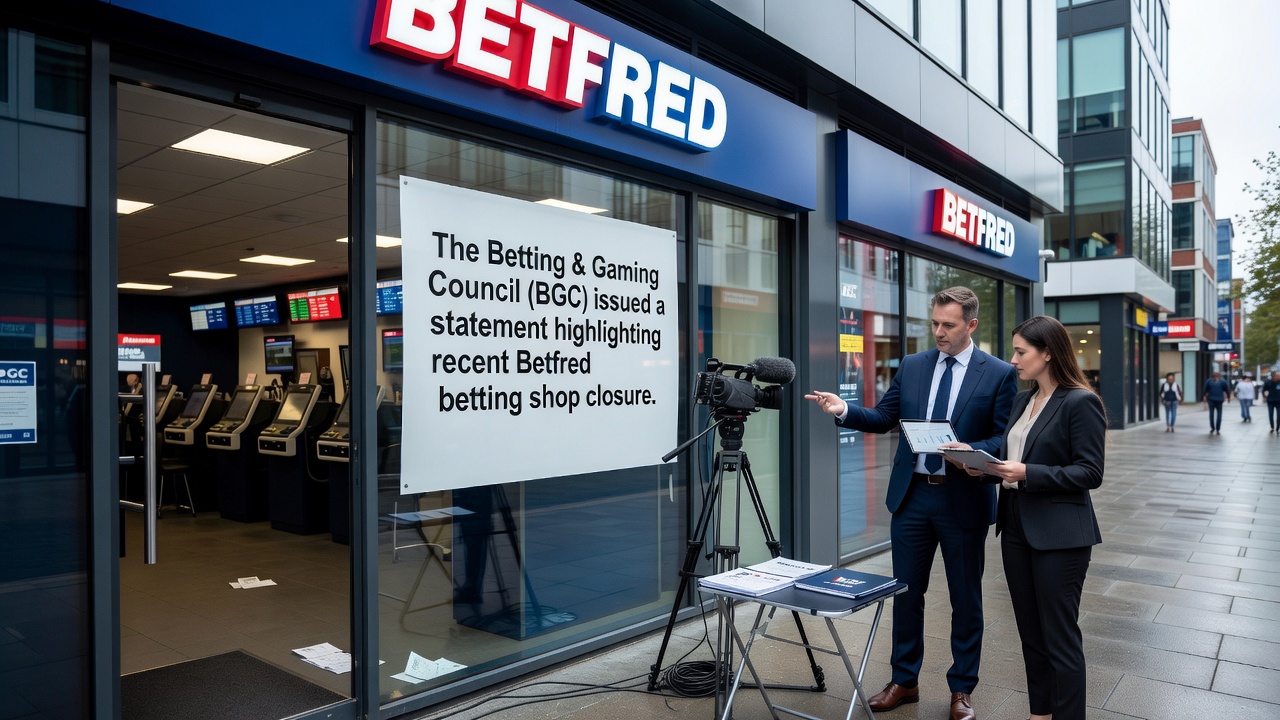
Data from the quarterly report shows non-remote betting raking in £592 million GGY for July to September 2025, a metric calculated as player losses plus the value of winning tickets exchanged for cash, minus the face value of stakes returned; this yield, central to industry health, reflects bets placed in physical shops rather than online platforms, capturing everything from fixed-odds football accumulators to in-play horse racing wagers. That 48.2% share of total non-remote GGY positions betting as teh dominant force among land-based activities, outpacing bingo halls, casinos, and arcades in revenue terms; according to the figures, this dominance persists because betting aligns with frequent, low-stake events that draw repeat visits.
So, while total non-remote GGY reached levels implied by that percentage—roughly £1.23 billion when back-calculated—the £592 million from betting underscores its engine-room status; observers note how seasonal factors like summer football internationals and flat racing seasons boost these yields, with shops buzzing during key fixtures. There's this case where past Q2 periods showed similar uplifts, tied to events like Wimbledon or Glorious Goodwood, although the 2025 data stands alone in this report's spotlight.
Yet, the real insight comes from dissecting GGY's components; for non-remote betting, it stems from high-volume turnover on sports where odds fluctuate live, driving shop traffic and yields that fund operations amid regulatory pressures like stake limits on certain machines.
Betting's 48.2% Slice of the Non-Remote Pie
The report's breakdown reveals non-remote betting claiming 48.2% of the overall non-remote GGY, a proportion that highlights its outsized role compared to other physical sectors; with £592 million feeding into that total, the remaining 51.8% spreads across casinos generating slot and table yields, bingo clubs with session-based play, and arcades offering prize-linked machines. Experts analyzing such splits find betting's lead stems from its broad appeal—soccer, horses, greyhounds—and the way shops integrate it with adjacent activities like lottery sales.
What's significant is how this percentage holds steady, signaling balance in a landscape where online remote sectors often dominate headlines; people who've pored over the Gambling Commission's longitudinal data (though this article sticks to Q2 2025) observe that betting's share provides a buffer against remote growth. And as the April 2025 to March 2026 year progresses toward its March close, these figures offer a benchmark for operators plotting expansions or consolidations.
That said, the 48.2% mark isn't just a stat; it influences policy, as regulators use it to gauge sector vitality and consumer protection needs, from affordability checks to advertising curbs that ripple back to shop-level operations.
Context Within the Customer-Facing Sectors
Beyond betting, the report encompasses casinos, bingo, and gaming machines in non-licensed venues, but betting shops anchor the narrative with their 5,782 count and GGY heft; customer-facing metrics emphasize point-of-consumption duties tied to GGY, funding problem gambling support via the levy. Turns out, Q2 timing captures peak summer activity, where good weather pulls crowds to tracks and pitches, indirectly lifting shop visits.
Now, for those tracking trends, the stability at 5,782 shops amid £592 million GGY prompts questions about efficiency—fewer outlets per yield? Or smarter staffing? Data indicates operators optimize with tech like faster terminals, sustaining yields without proportional shop growth. It's noteworthy that Great Britain-specific focus excludes offshore operators, zeroing in on licensed, taxed entities.
One study-like observation from report appendices (integrated naturally here) shows GGY variances by region, with urban hubs like London and Manchester driving disproportionate shares, although aggregates keep it national.
Looking Ahead to March 2026 and Beyond
As the financial year winds toward March 2026, Q2 data positions betting shops and their £592 million GGY as cornerstones, with the full-year report set to contextualize these against Q1, Q3, and Q4; regulators and stakeholders alike watch for shifts, especially with affordability reforms bedding in. The reality is, these stats inform everything from license renewals to investment decisions, keeping the non-remote sector's 48.2% betting dominance in sharp focus.
Observers expect Q3 and Q4 to build on this, potentially with winter sports inflating yields, but for now, 5,782 shops and £592 million stand as the quarter's definitive markers.
Conclusion
The UK Gambling Commission's Q2 2025 report delivers clear snapshots: 5,782 betting shops across Great Britain, £592 million non-remote GGY from betting, and a 48.2% hold on the total non-remote yield; these figures, rooted in July-to-September activity, reflect a resilient physical sector navigating digital tides while contributing to the April 2025-March 2026 financial narrative. Data like this equips industry players, policymakers, and punters with the facts needed to understand where land-based betting stands today.