UK Gambling Stocks Rocket on US Bipartisan Bill Cracking Down on Prediction Markets' Sports Betting Frenzy
Written by Frankie Russell · Mar 23, 2026

UK Gambling Stocks Rocket on US Bipartisan Bill Cracking Down on Prediction Markets' Sports Betting Frenzy
The Surge That Shook the London Exchange
On March 23, 2026, shares in major UK-listed gambling companies spiked dramatically, triggered by fresh bipartisan legislation in the United States aimed squarely at curbing sports betting on prediction market platforms; Flutter Entertainment, the powerhouse behind FanDuel, climbed 7.6% while Entain, parent to Ladbrokes and BetMGM, posted a solid 6.4% gain on the London Stock Exchange. Data from the exchange reveals how quickly investors piled in, betting that this move would shield traditional sportsbooks from upstart rivals operating in a regulatory gray zone.
What's interesting here—and observers have pointed this out repeatedly—is the precision timing; the bill, introduced by Senators Adam Schiff, a California Democrat, and John Curtis, a Utah Republican, targets platforms regulated by the Commodity Futures Trading Commission (CFTC) like Kalshi and Polymarket, prohibiting them from offering contracts on sports outcomes without the state-level gambling licenses that conventional operators must secure. Turns out, this isn't just talk; Kalshi alone reported sports betting accounting for roughly 90% of its trading volume, a figure that underscores why traditional players see these markets as direct threats nibbling at their edges.
Unpacking the Legislation's Core Thrust
Senators Schiff and Curtis framed their proposal as a safeguard for the established sports betting ecosystem, one that's ballooned since the 2018 Supreme Court decision overturning PASPA; prediction markets, by contrast, skirt state gambling oversight by positioning bets as "event contracts" under CFTC rules, allowing users to wager on everything from NFL scores to NBA finals without the hefty compliance burdens of licensed sportsbooks. The bill seeks to slam that door shut, mandating that any such contracts tied to sports events fall under state jurisdiction instead, effectively leveling the playing field—or so proponents argue.
But here's the thing: this push comes amid growing scrutiny of prediction markets' explosive growth; Kalshi, for instance, launched sports contracts in 2024 after securing CFTC approval, drawing millions in volume that rivals some regional sportsbooks, while Polymarket has similarly capitalized on crypto-friendly users betting big on outcomes like Super Bowl winners. Figures from industry trackers show these platforms capturing slices of the $10 billion-plus monthly US sports betting handle, often at lower margins since they don't pay the same taxes or license fees.
Experts who've tracked CFTC filings note how prediction markets exploit a loophole born from commodity trading laws originally designed for things like corn futures or oil prices, not touchdown props; now, with bipartisan backing, Congress appears ready to redraw those lines, handing traditional operators a potential windfall by forcing competitors to either exit sports entirely or navigate the patchwork of 38 state licensing regimes.
Flutter and Entain: The Big Winners on the Day
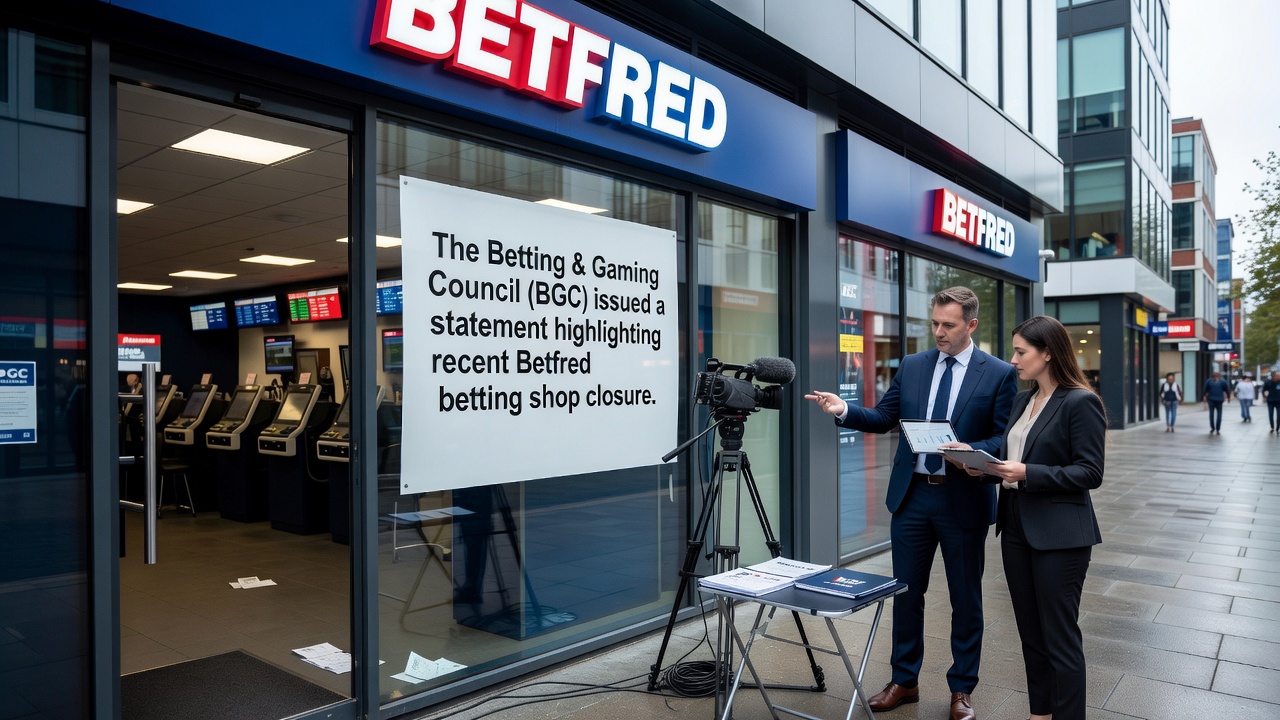
Flutter Entertainment led the charge with that 7.6% jump, pushing its market cap higher on news that FanDuel—its US crown jewel—stands to benefit most; the company, which also runs Paddy Power and Betfair internationally, has poured billions into US expansion since 2018, securing licenses in over 20 states and commanding about 40% market share according to American Gaming Association data. Investors clearly saw the bill as a moat-builder, protecting FanDuel's handle from prediction market poachers.
Entain wasn't far behind at 6.4%, its shares reflecting optimism for BetMGM, the joint venture with MGM Resorts that holds strong positions in states like New Jersey and Michigan; Ladbrokes, meanwhile, bolsters the UK side, but US exposure drives the valuation, with BetMGM reporting $2 billion in quarterly revenue amid fierce competition. One analyst breakdown highlighted how these gains erased recent dips tied to margin pressures, signaling market faith that regulatory clarity will funnel more volume back to licensed incumbents.
And yet, the rally extended beyond these two; DraftKings, though US-listed, saw sympathetic lifts in after-hours trading, while smaller UK peers like 888 Holdings edged up, illustrating how interconnected the global gambling landscape has become—London reacts to Washington because billions flow across the Atlantic.
Prediction Markets Under Fire: Kalshi and Polymarket's Sports Betting Edge
Kalshi's story captures the tension perfectly; approved by the CFTC in late 2024 to trade event contracts, it pivoted hard into sports, where yes/no binaries on game outcomes drew traders frustrated by traditional books' vig-heavy lines—90% of volume there proves the pull, with daily handles hitting millions on big events like March Madness. Polymarket, crypto-powered and offshore-tinged, mirrors this by letting users bet via USDC stablecoin on platforms less beholden to state regs, amassing hype during elections but now facing sports-specific blowback.
Those who've studied the space, including reports from financial watchdogs, observe how these markets offer tighter odds through pure peer-to-peer matching, undercutting FanDuel's typical 10% juice; that's where the rubber meets the road for traditional operators, who've lobbied hard for this crackdown, arguing unlicensed competition erodes consumer protections and tax revenue—states collected over $5 billion in 2025 alone from sports betting duties.
So, the bill doesn't just ban; it reclassifies, pushing platforms toward CFTC-only non-sports events like weather or economic data, leaving sports to the states—a shift that could shrink Kalshi's book overnight while boosting Flutter's moat.
Market Dynamics and Investor Sentiment
Trading volume on the LSE spiked alongside the price action, with Flutter seeing three times average turnover as funds rotated into the sector; broader FTSE gambling index climbed 5.8%, underscoring sector-wide relief after months of prediction market encroachment. Observers note parallels to past regs, like Australia's tightened rules on offshore betting, where local stocks similarly surged post-clampdown—history rhymes when incumbents gain turf.
What's significant is the bipartisan tag; Schiff, known for finance oversight, pairs with Curtis, a tech-friendly conservative, signaling rare consensus in a polarized Congress—passage odds ticked up to 60% per tracking sites, though amendments loom. Meanwhile, CFTC Chair Rostin Behnam has voiced support for bounded innovation, hinting regulators won't fight state primacy on gambling.
People in the industry often point out how this plays into post-PASPA consolidation; with five giants controlling 80% of US handle, any edge against disruptors juices multiples—Flutter trades at 25x forward earnings, Entain at 18x, premiums justified by growth if volumes consolidate.
Conclusion
The March 23, 2026, rally crystallizes a pivotal moment where US legislative muscle reshapes gambling's frontier, propping UK-listed stalwarts like Flutter and Entain against prediction market insurgents; as the bill advances, traditional sportsbooks gear up for reclaimed share, their stock surges a tangible vote of confidence in regulatory tailwinds. Data bears this out—90% Kalshi sports volume redirected could mean billions in shifted handle—yet the full impact hinges on Senate navigation and potential court challenges. For now, London's boards light green, a clear sign that when Washington draws lines, global markets follow suit.